Introduction
In smart buildings, hotels, residential complexes, and utility-driven safety systems, gas detection must be reliable, standards-oriented, and seamlessly integrated into centralized monitoring platforms. The GD334 Zigbee Gas Detector is designed to detect natural gas and carbon monoxide (CO), enabling real-time alarm transmission and scalable wireless deployment for safety-focused projects.
As demand grows for Zigbee gas leak detectors and Zigbee carbon monoxide detectors across North America and Europe, system integrators and distributors increasingly look for manufacturers that can deliver stable sensing performance, consistent integration behavior, and long-term product availability.
Market Trends: Why Zigbee Gas Detectors Are Gaining Adoption
The global shift toward smart buildings and connected safety systems is driving increased demand for wireless gas detection devices.
Key drivers include:
-
Growing safety regulations in multi-unit residential and commercial buildings
-
Rising demand for centralized alarm monitoring
-
The need for scalable, low-maintenance wireless deployment
-
Integration of safety devices into smart building and BMS platforms
With Zigbee HA 1.2 compliance, the GD334 enables reliable communication within mesh networks, ensuring alarm signals can be delivered even in distributed building environments. This is especially valuable for BMS platforms and smart safety dashboards that require device visibility, alarm events, and maintenance status tracking across multiple zones.
Technical Advantages of the GD334 Zigbee Gas Detector
The GD334 is engineered to meet the requirements of professional deployments.
-
Detection Type: Natural Gas & Carbon Monoxide (CO)
-
Zigbee Protocol: Zigbee HA 1.2 compliant
-
High Sensitivity and Stability: Designed for long-term reliability
-
Audible Alarm: Built-in buzzer for local alerting
-
Wireless Mesh Networking: Supports scalable building-wide deployment
Unlike standalone gas alarms, a Zigbee gas detector enables integration into automation systems where alarms can trigger additional workflows, such as sirens, notifications, or safety shutdown procedures.

Integration for Smart Building and Safety Systems
For B2B deployments, a Zigbee gas detector is not a standalone device—it must operate within a broader safety ecosystem.
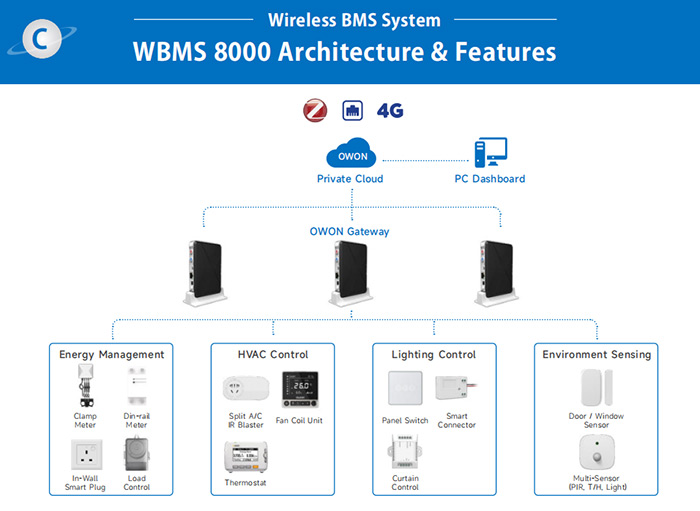
The GD334 Zigbee Gas Detector can be integrated via Zigbee gateways into smart building platforms to support:
-
Centralized alarm event reporting across multi-unit sites
-
Coordinated safety automations together with smoke and CO detectors
-
Remote maintenance monitoring (device online/offline status)
-
Local automation workflows without dependency on cloud connectivity
This integration capability makes the GD334 suitable for smart apartments, hotels, dormitories, and commercial safety systems requiring scalable monitoring.
Typical Deployment Scenarios
Commercial Buildings
Office spaces, retail environments, and mixed-use properties require reliable gas monitoring integrated into centralized dashboards.
Hotels and Serviced Residences
Wireless deployment minimizes installation complexity while enabling room-level monitoring and alarm reporting.
Residential Complexes
Multi-unit housing projects benefit from mesh-based safety networks that provide centralized oversight.
Industrial Facilities
Manufacturing sites and processing facilities require dependable gas leak detection integrated with local safety systems.
Smart Homes
For residential projects, Zigbee gas detectors support integration with smart home hubs and safety automations.
Key Specifications Overview
To help system integrators quickly evaluate suitability, below is a summary of the GD334 specifications:
| Feature | Specification |
|---|---|
| Product Model | GD334 |
| Detection Type | Natural Gas & Carbon Monoxide (CO) |
| Communication Protocol | Zigbee HA 1.2 |
| Alarm Method | Local Audible Alarm + Network Alert |
| Application | Smart Building / Residential / Commercial |
| Integration | Compatible with Zigbee Gateways |
Why Choose a Zigbee Gas Detector Manufacturer for Your Project?
When selecting a Zigbee gas detector manufacturer, B2B buyers typically evaluate:
-
Product stability and long-term supply
-
Zigbee protocol compatibility
-
Integration support for gateways and platforms
-
Compliance with regional safety standards
-
Experience in smart safety device development
Manufacturers such as OWON, with experience in Zigbee safety devices including smoke, CO, and gas detectors, provide scalable solutions tailored for smart building deployments.
Frequently Asked Questions
How does a Zigbee gas detector integrate with BMS systems?
Through Zigbee gateways, alarm signals and device status can be transmitted to centralized building management dashboards.
Does the GD334 support offline operation?
Yes. It can function within local Zigbee networks without constant internet connectivity.
What types of gas can be detected?
The GD334 is designed for natural gas and carbon monoxide (CO) detection.
Can it be deployed in multi-unit buildings?
Yes. Mesh networking supports scalable deployment across apartments, hotels, and commercial facilities.
What should system integrators consider?
Gateway compatibility, automation workflows, regulatory compliance, and maintenance visibility are key factors.
Conclusion
As smart buildings and connected safety systems continue to evolve, reliable wireless gas detection becomes increasingly important. A Zigbee gas detector such as the GD334 offers scalable deployment, stable communication, and integration flexibility for professional safety projects.
For system integrators, distributors, and smart building solution providers, selecting a manufacturer with proven Zigbee expertise ensures long-term reliability and smoother project execution.
Related reading:
[ZigBee CO2 Sensor: Smart Air Quality Monitoring for Homes and Businesses]
Post time: Aug-23-2025


